What Happens in a Hypnosis Session (And Why It Works)
Most people are curious about hypnosis. And also a little unsure. They’ve seen stage shows and heard stories. They’re not quite sure what’s real and what isn’t. And you really can’t blame them.
The most common question we get is simple: “What actually happens in hypnosis? Underneath that question is a deeper concern: “Am I going to lose control?”
The answer is no. Hypnosis is not about losing control. It’s about gaining access to the part of your mind where patterns are stored and change actually happens.
The biggest misconception
Hypnosis isn’t sleep and it certainly isn’t mind control. We aren’t “doing something to you” or brainwashing you into doing something you don't want to do. Hypnosis is a natural state.
You’ve already experienced it. You experience a state of hypnosis almost every day without even noticing. You’ve probably had moments where you’ve been driving and don’t remember part of the route. Or have found yourself fully absorbed in a movie where you seem to lose track of time.
Those are all variations of a focused, receptive state. Hypnosis allows you to access that state intentionally. It works because when your mind is focused and your system is calm, you become more open to change.
Why talking about it isn’t enough
Most transformation methods rely on conversation and understanding. You can talk through the problem, analyze it and even understand it. This can be helpful but it isn’t the whole story.
The patterns driving your behavior don’t live in your analytical mind. They live deeper, in your automatic responses and your emotional associations. That’s why you can understand something and still not change it. Hypnosis allows you to work at that deeper level.
The experience of a hypnosis session is simple. The first step is the most important: clarify what you want to change. Once we know where we are going, we can step into transformation.
It is critical for us to define what’s happening now, what you want instead and where you feel stuck.
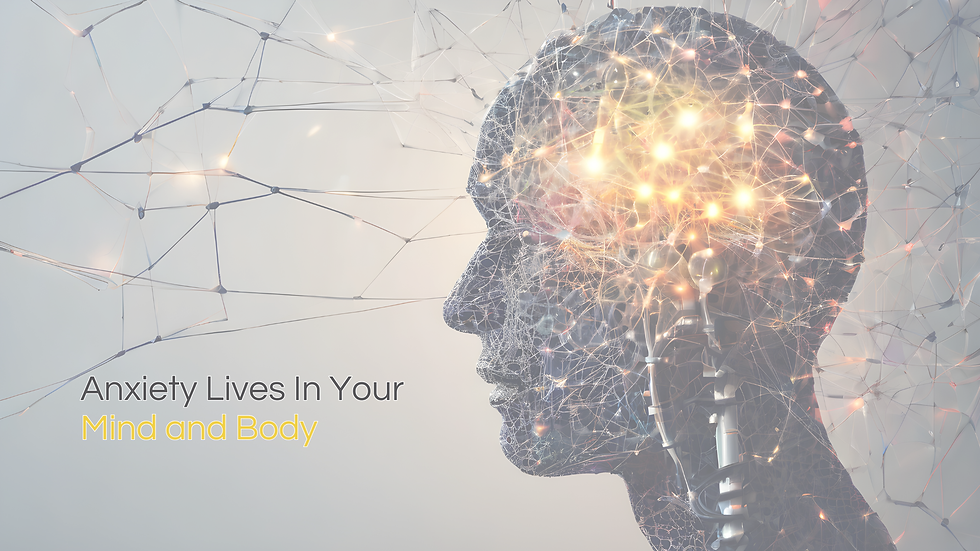
This matters because hypnosis isn’t generic. It’s precise. The more clearly we define the pattern, the more effectively we can change it. For example, we want to clearly understand the when, how, and what happens when you say something like “I feel anxious.”
That gives us a clear target.
Next, you’re guided into a relaxed, focused state. You don’t “go under” into some otherworldly

state, you follow the instructions that resonate with you. Your breathing slows and your body softens. Your attention becomes more focused inward and you remain aware the entire time.
You can hear everything and you can respond if needed. Most people describe it as feeling deeply relaxed, but mentally clear. This state matters because it reduces the constant filtering and judging of the conscious mind. Without this filter your system becomes more open to new input.
This is where the real work happens. Instead of talking about the pattern, we access it. Depending on the goal, this might involve identifying where the response is coming from or
changing the emotional association connected to it. It always involves introducing a new response at the moment it normally triggers.
For example, lets say that your system reacts with anxiety in certain situations, we don’t just tell you to “stay calm,” We create a different internal response so when the situation happens again, your system no longer defaults to anxiety. It responds differently.
Change doesn’t happen in a single moment. It happens through repetition. In hypnosis, we reinforce the new response while your system is receptive so the idea is experienced at the deepest level. Those mental rehearsals are what start to rewire the patterns. Over time, with repetition, it becomes your default.
At the end of the session, you’re guided back to a normal state. You feel clear and often more relaxed than when you started with a subtle shift in how things feel internally.
What it actually feels like
People often expect something dramatic. But the experience is simple. You feel relaxed, focused and aware. Some people feel heavy while others feel light. Some feel like they’re just sitting quietly with their eyes closed. Some feel like no more than 10 minutes have elapsed while others are present for every word spoken.
There’s no “right” way to experience it. The effectiveness isn’t based on how it feels but on what changes afterward.
Hypnosis works because it addresses the full system: your thoughts, sensations, emotional responses, patterns. All of it.
Most patterns are reinforced through repetition and emotional intensity. Hypnosis uses those same mechanisms, intentionally, to create change. Instead of reinforcing the old response, you’re installing a new one at the level where the pattern exists.
After a session the shift is usually subtle but noticeable. You respond differently in situations that used to trigger you. You feel less pulled into old reactions. You don’t have to fight yourself as much.
Addressing the fear directly
If you’re hesitant about hypnosis, it usually comes down to control. Although you won’t say anything you don’t want to say or do anything against your will, you are letting someone guide you into your subconscious and that is a huge responsibility. One of the best predictors of whether this method will work on you is whether you trust that the person guiding you understands your goals and makes you feel that you can trust them.
Hypnosis is an intimate process and you don’t want just any one pushing buttons inside your head. Your top question when hiring a hypnosis coach should be: does this person make me feel safe? If the answer is yes, get ready to experience some giant changes. If your answer is less than a clear yes, keep interviewing people. It doesn't matter how great their reviews are. If you don't click with them, find someone else.
Where this fits in the bigger picture
Hypnosis is not a standalone fix. It’s part of a larger process. You’re creating change across your entire system.
If you’ve been trying to change and nothing sticks, it may not be because you haven’t tried hard enough. The trouble may be that you’ve been working at the level of awareness, not the level of pattern and learning.
Hypnosis gives you access to that deeper layer. If you want to understand how your patterns are currently structured, and where to begin, start with the Intro to the 4 Bodies guide. It will give you a clear framework for how change actually happens across your system. From there, you can decide your next step.